
Examining forbidden foods in orthodontics What should we eat for the first 5 days?

 Last update: 17-08-1404 Confirming doctor: Dr. Saeed Qureshi Author: Dr. Saeed Qureshi
When orthodontic brackets are installed on the teeth, the first question that patients usually have is What should we not eat in orthodontics? And what ingredients should we replace the forbidden foods?
It is very important to follow a proper diet during this period; Because consuming forbidden foods in orthodontics can damage brackets, wires and even delay the orthodontic treatment process.
In this article, we will take a closer look at forbidden foods in orthodontics, explain the scientific reasons for these restrictions, and finally, introduce a list of soft foods and suitable alternatives so that you can spend the treatment period without any problems.
List of titles
ToggleThe importance of following a diet during orthodontics
When starting orthodontic treatment, following a proper diet plays a key role in the success and speed of treatment progress. During this period, orthodontic brackets and wires are very sensitive, and excessive pressure or adhesion of food can cause bracket loosening, wire bending or plaque accumulation and tooth decay.
For this reason, not using prohibited foods during orthodontics along with oral and dental hygiene, prevents possible problems and helps to achieve the results of orthodontic treatment more accurately, faster and with less pain.
What should we not eat during orthodontics?
In general, you should avoid eating hard, sticky and crunchy foods during orthodontics This group of foods put pressure on the brackets and slow down the healing process. Here are some examples of foods that should not be consumed during orthodontics:
Solid foods
When you eat hard foods like crackers, dry biscuits or even ice cubes, sudden pressure is put on the braces and may cause them to loosen or braces break. Even if the bracket does not break, the wire may bend and the teeth may move in the wrong direction.
Related article: What to eat after orthodontics?
Sticky foods
Sticky foods such as gum, toffee, caramel or soft chocolate are the biggest enemy of brackets. These foods easily stick around the bracket and are difficult to clean even with a toothbrush. The remaining of these sugary substances around the bracket causes the accumulation of bacteria and tooth decay.If you crave sweets, use soft desserts such as pudding, caramel cream or jelly, which are both soft and less dangerous.
Raw and hard fruits and vegetables
Eating raw fruits like apples or vegetables like carrots and cobs may seem harmless, but biting into them directly puts a lot of stress on the brackets. In many cases, this simple habit causes brackets to separate.
You can chop, peel or steam the fruits.
Roasted and dry breads
Toasted breads such as stone bread, dry toast, or toasted breads put a lot of pressure on the brackets when chewing, and their crumbs may even get stuck between the wires.
Use softer breads such as lavash bread or fresh toast. If the bread is a little hard, add a little water to soften it and use it later.
Meats with bones
Bone meats, such as chicken wings and shoulders, are one of the most common causes of broken brackets. When biting into the bone, there is a high chance that the brackets will come off the tooth. Also, meat fibers may get stuck between the wires and cause bad breath or gingivitis. It is recommended to use soft and boneless meats, such as bearded chicken, minced meat or cooked foods that are easy to chew.


How many days after orthodontics can you eat?
Usually during the first 3 to 5 days after installing the brackets, the teeth are a little painful and sensitive. During this time, it is better to eat soft and watery foods such as soup, mashed potatoes, yogurt or smoothies.
After the pain subsides (about a week later), you can gradually eat more normal foods, but you should still avoid eating prohibited foods during orthodontics.
What should we eat in the first 5 days of orthodontics?
As we said above, in the first few days of orthodontics, the teeth become sensitive. To reduce the pain, it is better to eat foods that do not need to be chewed, such as:
- Warm soup (not hot)
- Potato or lentil puree Yoghurt and soft ice cream Porridge, oatmeal and fruit smoothies
Cold foods can reduce gum inflammation and relieve pain.
10 essential tips for eating
- Start with small bites: First, break your food into small pieces. This minimizes the need to bite directly with the front teeth, which may be sensitive or risky with new braces.
- Avoid sticky foods: Sticky foods can stick to your braces and make them difficult to clean.
- Chew carefully: Eat slowly and chew your food slowly. Braces can be delicate, and aggressive chewing may cause the bracket to come loose or the wire to deform.
- Beware of crunchy and hard foods: Hard foods may damage the brackets or wires. It is better to bake, steam, or soften these foods in the oven, or cut them into manageable pieces.
- Rinse your mouth: After eating, swishing water in your mouth is helpful to remove food particles stuck in or around your braces. This prevents the accumulation of plaque and spots.
- Get the right tools: Carry a travel toothbrush or get a water jet (water flasher). Brushing and flossing can be very practical and helpful and ensure that your braces stay clean, especially after meals.
- Stay hydrated: Drinking water throughout the day helps to keep your body hydrated and your mouth clean. Water helps wash away food residues and acid deposits.
- Listen to your orthodontist: Your orthodontist will give you specific instructions about foods not allowed in orthodontics and ways to care for your braces. Their recommendations are based on years of experience and knowledge, so it's important to follow them.
FAQ
Can you eat normal foods after orthodontics?
Yes, but not immediately. After about 7 to 10 days from the start of the treatment, when the initial pressure of the braces is reduced, you can include more normal foods in your diet.
What should I do if the bracket comes off while eating?
Do not panic in such a situation. Stop eating, rinse your mouth with water, and keep the cut piece. Then contact your orthodontist as soon as possible to have the bracket re-installed.
Can you drink cold or hot drinks with braces?
Yes, but with caution. Very hot drinks may damage the adhesive of the brackets and very cold drinks may cause temporary tooth sensitivity. The best option is lukewarm or cool drinks. You should also avoid soft drinks and sugary drinks, because over time they cause tooth decay and discoloration around the brackets.
How long should I follow the special orthodontic diet?
Until your duration of orthodontic treatment is over!
Usually between 12 and 24 months, you must follow a special diet. In fact, even in the final months, a solid food may break the bracket and delay the result. Therefore, it is better to be careful when you open the orthodontics.
In summary, if you have orthodontics, be careful! It would be a shame to risk the time and money you spent again due to carelessness. By choosing the right foods and soft and healthy substitutes, you can go through your orthodontic period with peace and success.
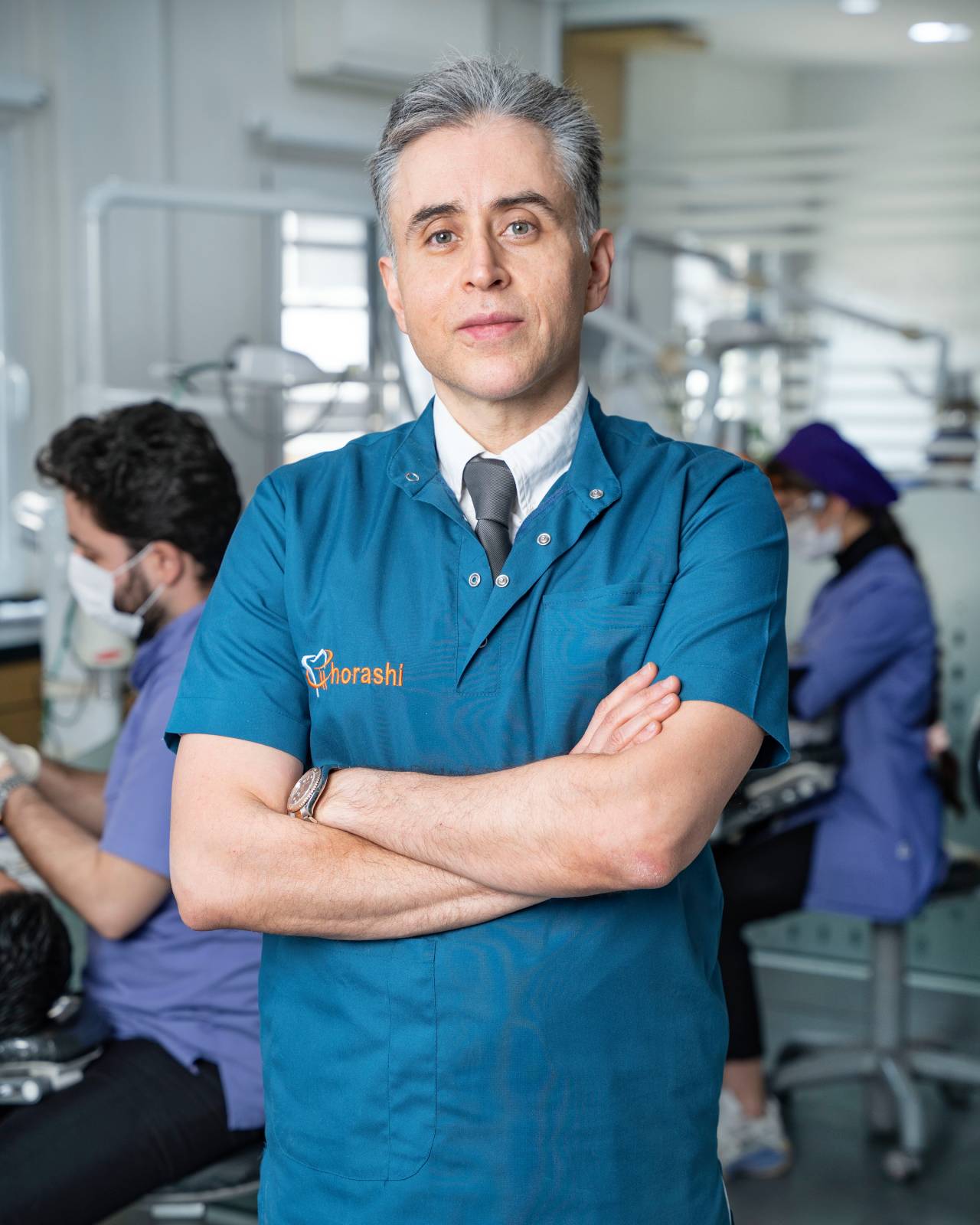 Dr. Saeed Qureshi
Dr. Saeed Qureshi, an orthodontic specialist with more than 20 years of experience in the treatment of jaw and teeth abnormalities, is the first member of the specialized board of the country, has the specialized board of orthodontics from Canada and is a member of the American Association of Orthodontics (AAO). To book an appointment and receive advice, you can visit any of the three specialized orthodontic centers in Tehran (located in Saadat Abad, Tehran Pars and Nawab areas) or the Qom orthodontic office under their management.
About Dr. Qureshi book appointment How much do you think the writing score is? Subscribe to 0 comments the most recent the oldest The most votes Feedback (Feedback) inline View all comments





